Community Perceptions on Planet Indonesia’s
Theory of Change in Karimata Marine Nature Reserve

Using participatory impact assessments as an evaluation method.
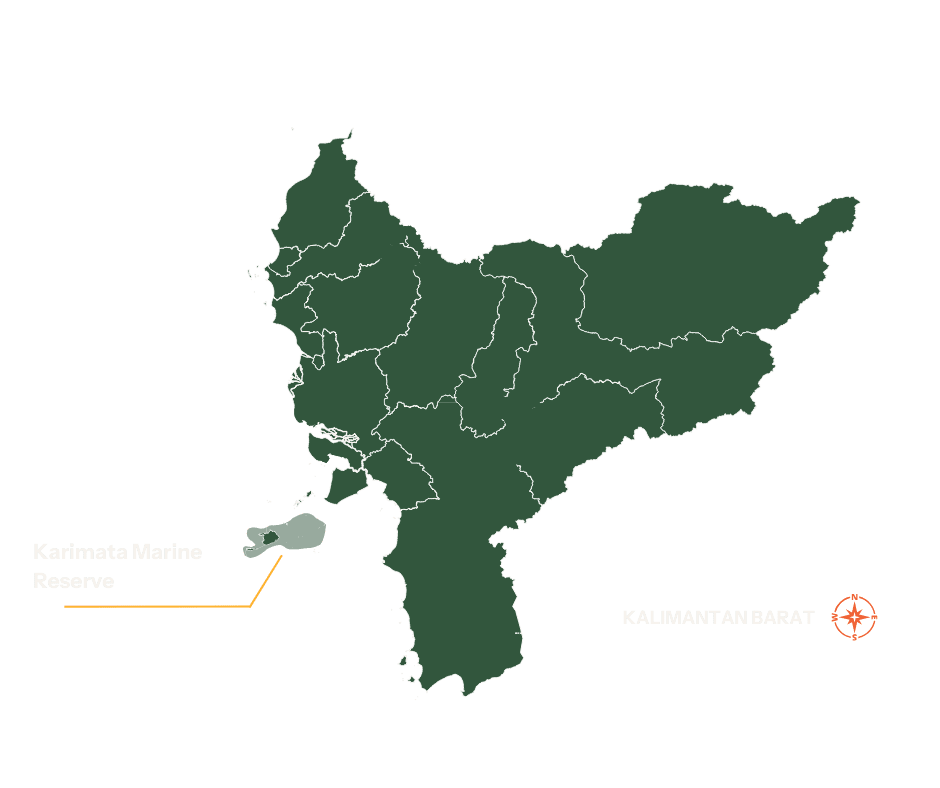
Our work in Karimata
Started in 2021
Aims to conserve 190,000 hectares of tropical marine habitat
Supports 5 Community-led Governance Bodies
Directly involves 581 individuals, with an estimated 1,200 indirect beneficiaries
Following three years of program implementation, we aimed to verify our intended impacts by discussing them with community members.
Through participatory approaches, we asked residents to describe the changes they perceive in their day-to-day lives and the surrounding environment.
Methodologies
In 2025, we conducted:
Household Impact Survey (HIS)
+ captures individual perceptions
+ enables exploration of links between different variables
Individual surveys using a Likert scale
108 respondents
(58% women)
Participatory Impact Assessment (PIA)
+ creates space for dialogue and discussion amongst neighbours, exploring community dynamics
10 Focus Group Discussions
126 participants
(51% women)
Analysis
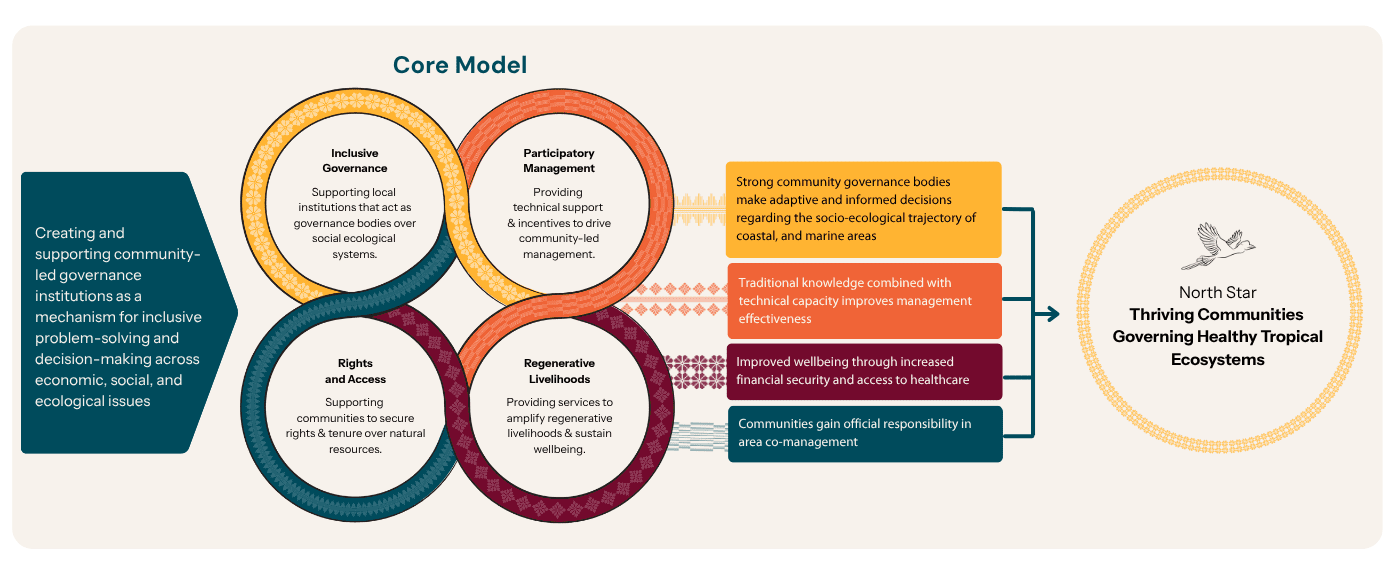
The results of the HIS surveys and PIA discussions have been analysed in relation to our Core Model theory of change to verify if community members indeed mention the changes we expected.
Household Impact Survey (HIS)
Simple stasistical methods were used to test significant correlation between the answers to different questions by the same individual
Participatory Impact Assessment (PIA)
Score ratings (1-3) have been used to identify which activities contribute to which self-identified outcomes
Theory of Change
The pathways and
what communities said 
Rights and Access:
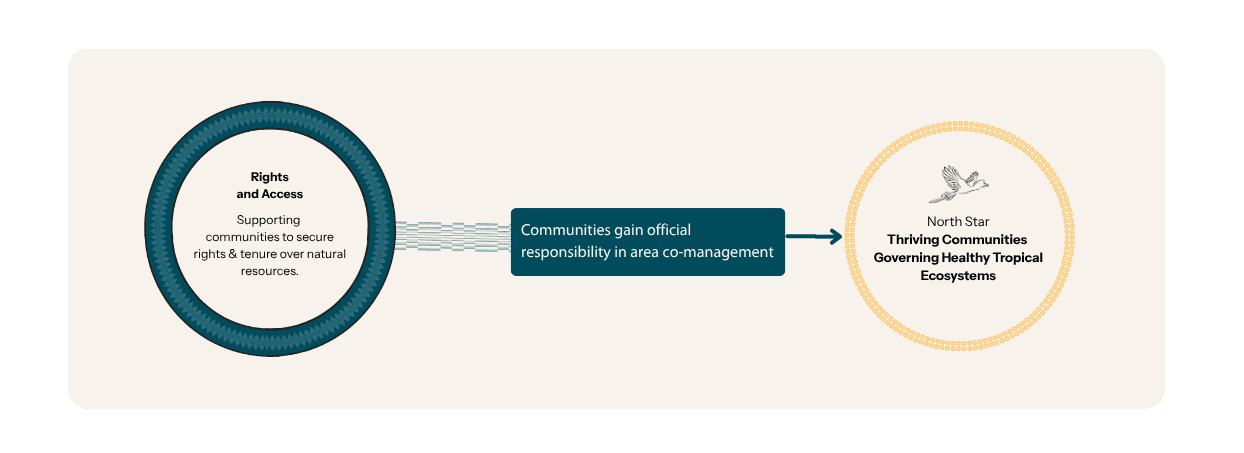
When communities have management rights over natural areas and resources, they are more inclined to steward these in an effective and sustainable way - it is difficult to protect what you don’t have legal access to manage.
What community members said:
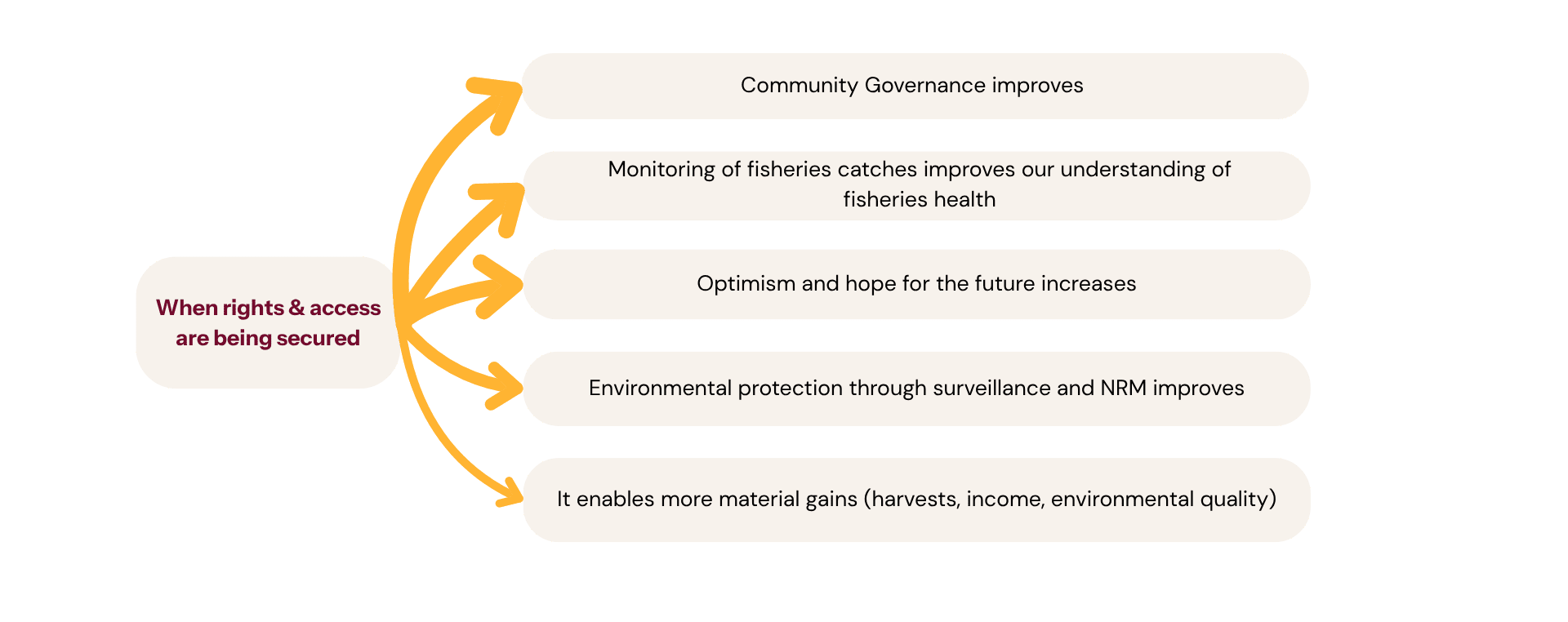
*The thickness of the arrow indicates the strength of the correlation: the thicker, the stronger.

Partially supported

Perceptions around tenure & rights emerged as an important enabling factor, acting as a strong predictor of non-material gains, such as optimism and governance, as well as marine reserve compliance. It is important to note that Karimata's tenure has yet to be secured, and therefore, some community members are likely unaware of what tangible outcomes secured tenure may bring. Therefore, this pathway is currently partially supported within our ToC, and comes out as an important enabling factor and predictor of various other outcome pathways within our ToC.
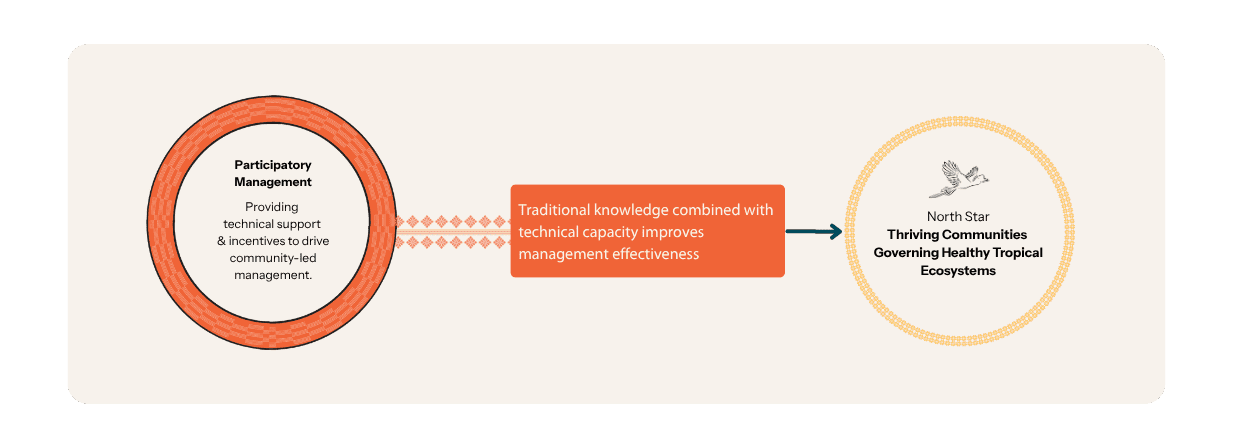
Participatory Management:
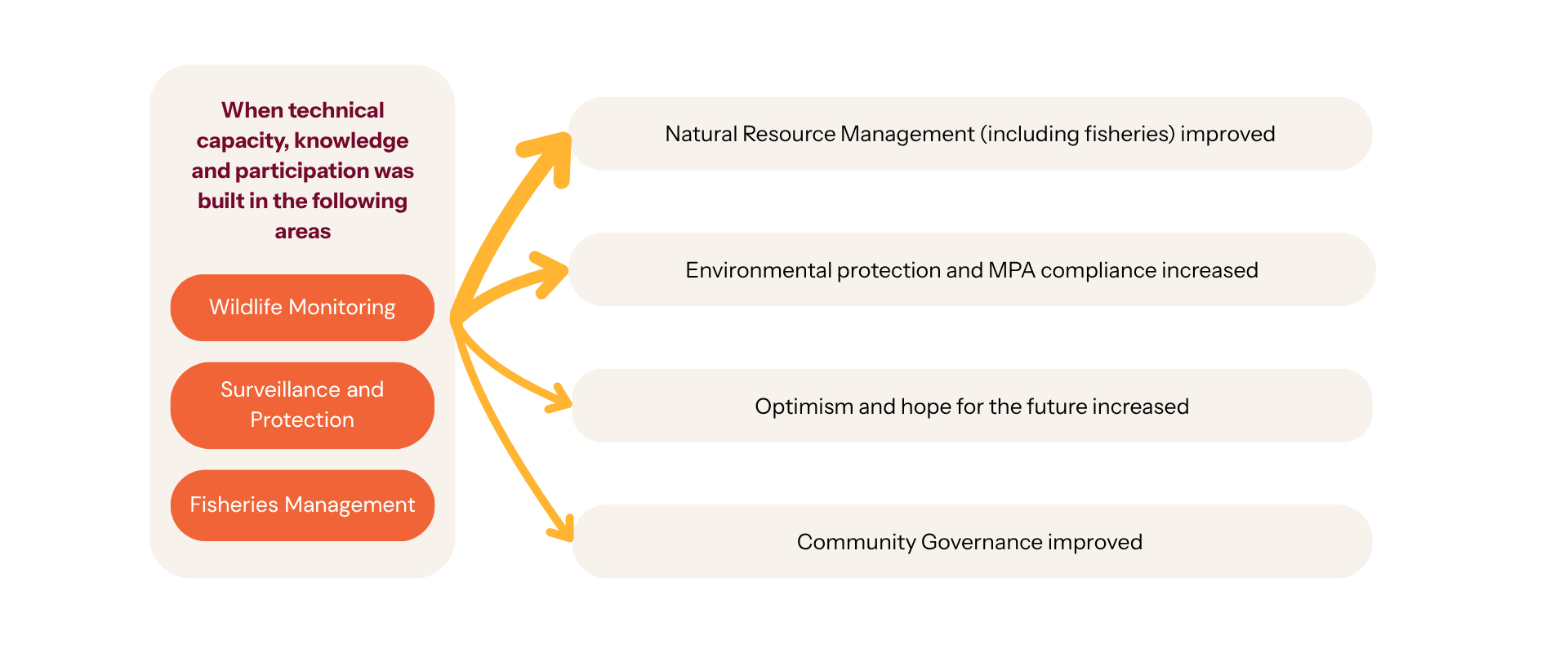
Community capacity building increases effective natural resource management and compliance with local management rules.
What community members said:

Strongly supported

The results demonstrate that strengthening knowledge, technical capacity and participation all play a central role in improving marine natural resource management, higher compliance with reserve rules and fishing regulations, improved perceptions of fairness, and broader social benefits. This follows the argument that people have to know what to manage (knowledge), how to manage it (capability) and have the people-power (participation) to manage and conserve natural resources. Taken together, the findings underscore that investing in community knowledge and fostering genuine participation are crucial to establishing effective governance systems and enabling conservation efforts to achieve a lasting impact.
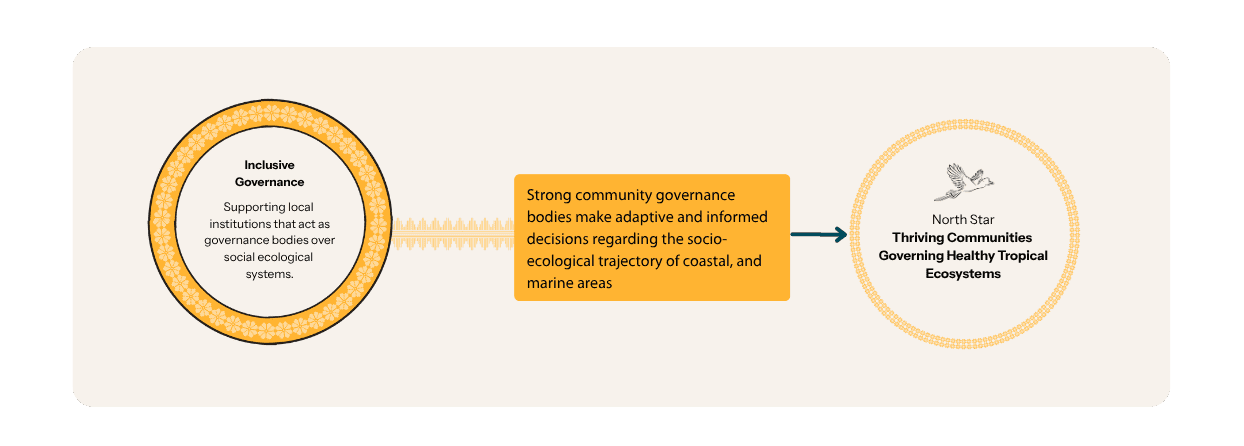
Inclusive Governance:
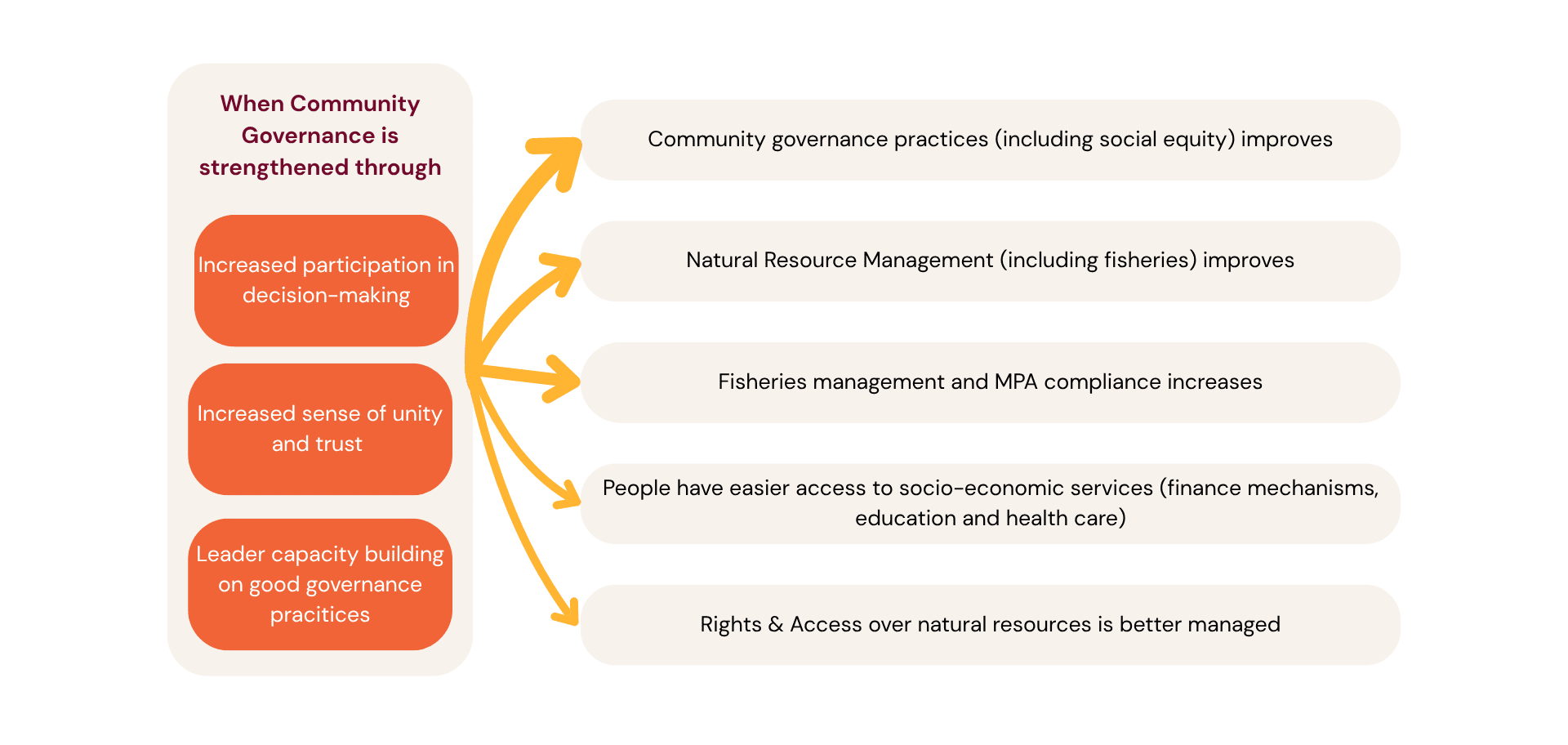
Inclusive and strong local governance institutions allow communities to lead on their priorities and steer climate action.
What community members said:

Strongly supported

Unity and trust create the foundation for cooperation and collective action. When communities feel connected, trust each other, and have faith in their leaders, compliance and collective resource governance can thrive. This cohesion can reduce conflict and strengthen both conservation outcomes and perceptions of equity. Leaders’ capacity may accelerate or impede how effectively communities can turn aspirations into action. Capable and trusted leaders provide clear rules, mobilize participation, and adapt management to changing conditions. Participation in decision-making ensures that people have a real voice in how resources are managed. Inclusive processes foster ownership, bring in local knowledge, and increase compliance with agreed rules. Involving community members also enhances perceptions of fairness and strengthens long-term support for conservation.
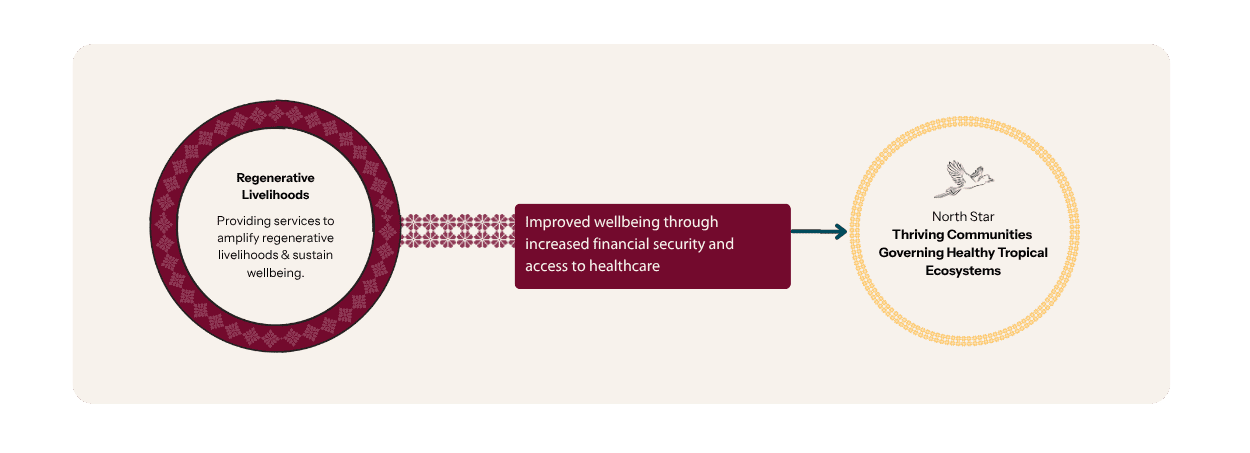
Regenerative Livelihoods:
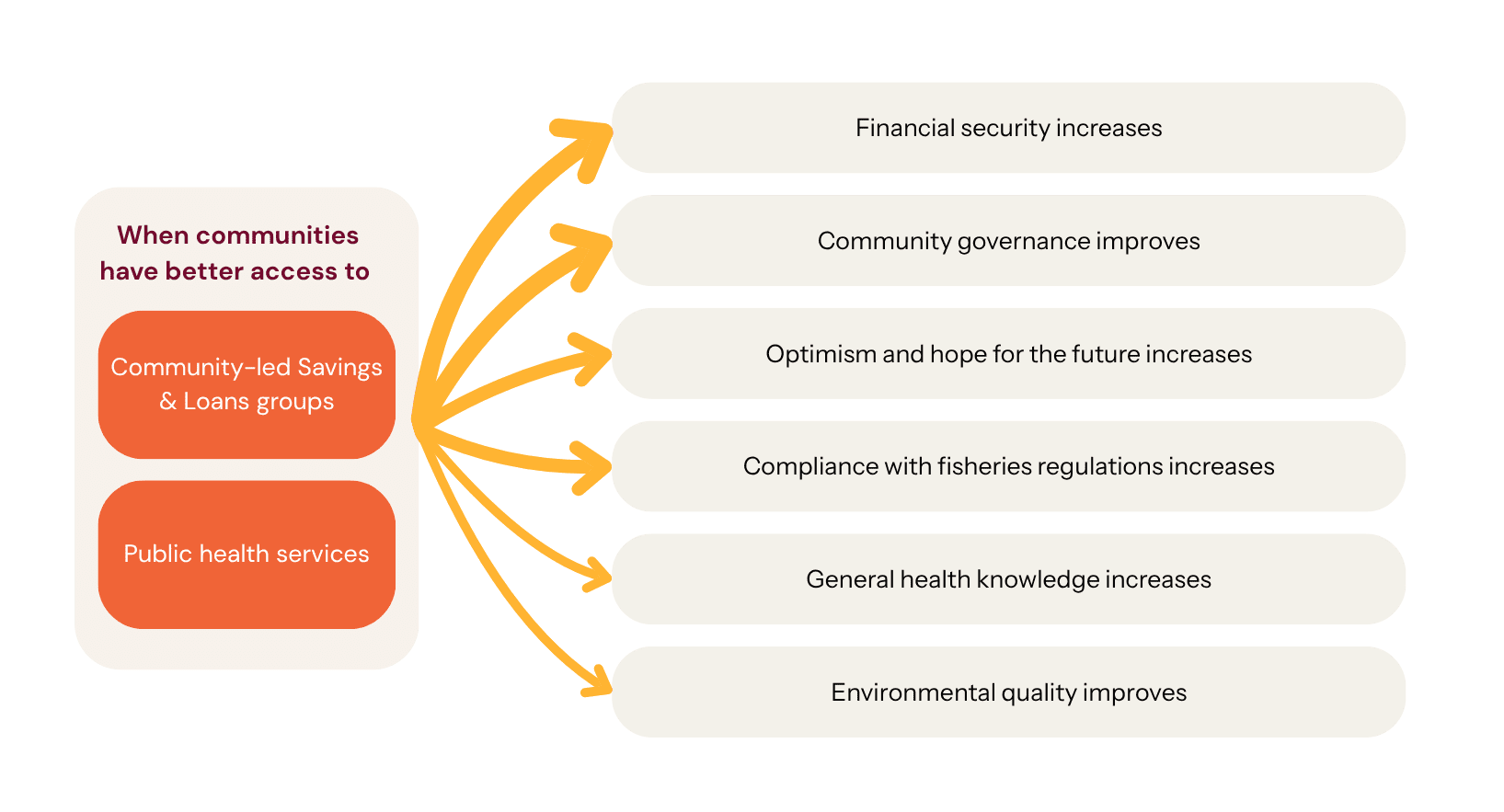
Reduced financial and health stressors reduce resource exploitation and increase capacity to engage in natural resource management and invest in sustainable livelihoods.
What community members said:

Strongly supported

Livelihood support and tangible material benefits are critical for marine conservation because they address the immediate needs of communities. When households experience real gains, such as improved income, food security, or reduced vulnerability, data suggests they may be more willing to adopt and to comply with rules around marine conservation and invest in long-term stewardship. These tangible benefits not only strengthen conservation outcomes but also enhance social wellbeing, creating a durable foundation for sustainable community-led management.
SUMMARY

Here are the major points of the findings:

Results showed that generally, the ToC is supported with evidence from the HIS and PIA. The ToC specifies four distinct pathways towards thriving communities and healthy ecosystems, but community members reported that there were many links between the different pathways, which confirms the value of a holistic approach. This underlines the complex nature of social-ecological systems and also highlights the importance of capturing diverse perspectives.


When trust and unity amongst community members increases, it leads to better governance. In turn, good governance is foundational for success in all areas of the ToC.

Our work in Karimata started at end of 2021, and the process of securing co-management rights and access is still ongoing. Despite this not being fully secured yet, people already identified positive changes attributed to the intervention, mostly non-material gains such as increased trust in leaders and in Planet Indonesia, enhanced social equity and hope for the future. It is also a great predictor for improved natural resource management.

Enabling circumstances are crucial to sustain conservation success. Key enablers in our ToC are improved rights & access over natural resources and area management, as well as access to financial and health services. A holistic approach to conservation is thus required for long-term impact.
Thank you to Blue Action Fund, the UK Government through Illegal Wildlife Trade Challenge Fund and the Trafigura Foundation for supporting this work.
Sign up to recieve news and updates.

© 2024 Planet Indonesia

Planet Indonesia is a 501(c)(3) nonprofit organization.

 By signing up you agree that we can contact you via our email newsletter and to our Terms and Conditions and Privacy Policy.

The term ‘integrated landscape initiative’ (ILI) has gained popularity as an ‘umbrella concept’ that describes projects that aim to explicitly improve food production, biodiversity conservation, and rural livelihoods on a landscape scale.

It describes approaches that consider the entire landscape, including its environmental, social, and economic aspects, by bringing together diverse stakeholders to manage land use in a way that balances competing needs, aiming for sustainable outcomes across the whole system, rather than focusing on isolated issues within the landscape.